

More Than Professional Growth
Takeaways from CMS Camp 2026 in Mallorca: visual experiences, SEO and GEO, working with AI, and inclusive design. Plus a look at what editors need from a CMS, and why their…
Read more: More Than Professional Growth

If your TYPO3 site is loading frustratingly slowly, buying more server space to speed it up is often the go-to fix. But in some cases, this method treats the symptom rather than the underlying root cause, which can be layered. The demands of modern menus coupled with how TYPO3’s native menu operates can lead to an overflowing cache, and a server bogged down with unnecessary weight. b13’s menus extension directly addresses these challenges. Implementing the extension saves server space, significantly improves your TYPO3 site’s loading speed, and allows more simultaneous users.
Three factors produce a domino effect that drags down your cache and your servers.
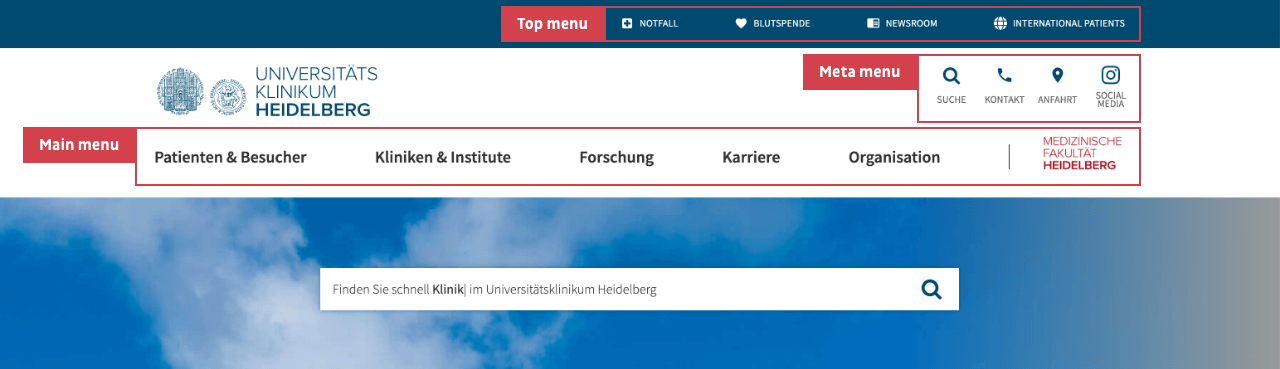
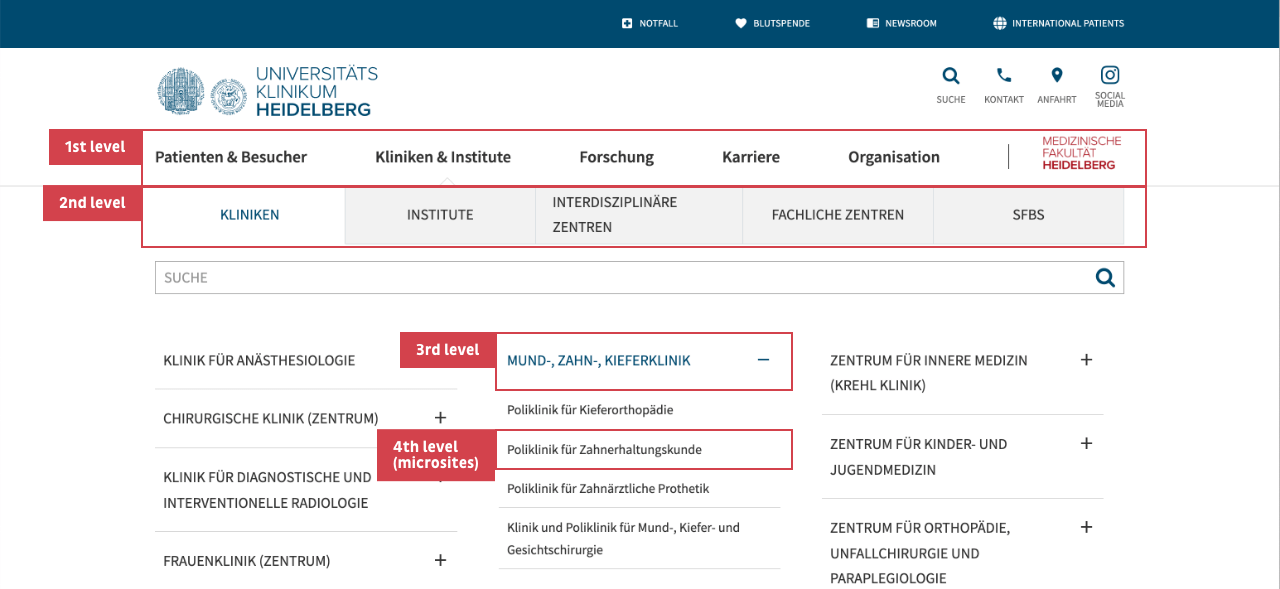
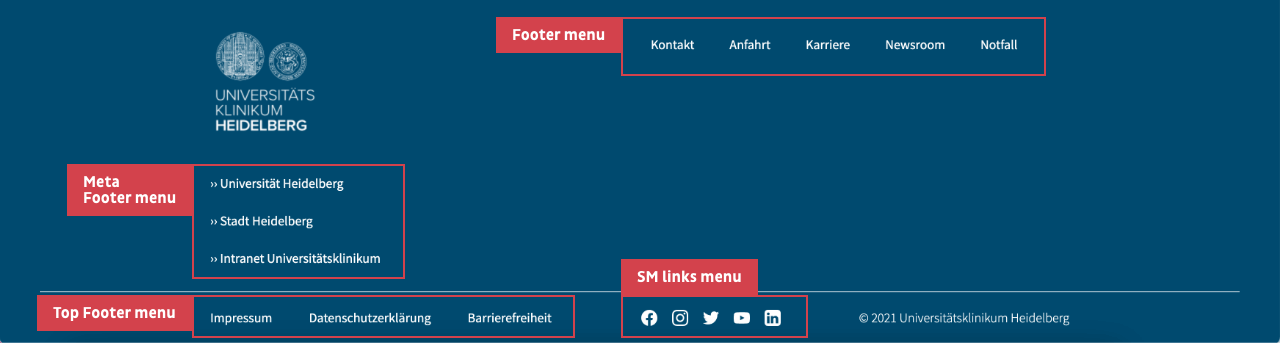
Firstly, how websites use menus has changed over the years. Today, a single website may have many menus on one page, including:
The next factor is large-scale projects: multiple TYPO3 sites with thousands of pages each. If those thousand-page websites also need to accommodate the demands of modern menus, it places a strain on TYPO3’s native menu abilities, which trickles down to crowd your cache and your servers.
Finally, the third factor is how the native TYPO3 menu itself operates. The expanded version of each menu (also called “active state” menus“) for all pages of your site is cached. This method overloads your servers, and you quickly run out of space. As your site’s number of pages and menus increase, and the bigger and more layered your menus are, the more the issue is exacerbated. In a large test installation of TYPO3’s native menu’s capabilities, the menus alone held 16 gigabytes of data, which overwhelmed and crashed the servers in a day.
Because we are aware of the intersection of these factors, we created our menu extension to function differently. With our extension, TYPO3 builds up the menus in the cache once for all the pages. The extension applies active states afterward, which reduces the amount of cached data. This method is significant for tree-based menus, which have multiple layers and information paths. When we tested the menus extensions initially, the results were promising indeed; the same 16 gigabytes that crashed the server a few days before was reduced to 100 megabytes of cached menu data.
Another key advantage is that b13’s menus extension is purposefully written to be easy to understand and implement for less technically advanced team members.
The modern state of menus means that a typical website has more menus, larger menus, and expanded menus. This translates to more memory and CPU used, which quickly overloads servers. A common solution is buying more server space, which can be expensive for you or your client. b13’s menus extension reduces your memory and CPU usage to make your existing server space more efficient instead of buying more.
An overloaded server leads to a less performant site. A slow site or even (gasp!) dreaded downtime can reflect poorly on your reputation and negatively impact the user experience. Using b13’s menus extension leads to a radical reduction in the load on your server and a faster, more responsive site with much less risk of downtime.
b13’s menus extension has been available on GitHub for 2 years, so it is mature and thoroughly battle-tested. It is also extremely popular, with over 90k installs and counting. At b13, we use this extension for our own site and across all our client projects, such as the University Hospital of Heidelberg, one of the largest medical centers in Germany.
No matter the number or size of menus in your TYPO3 site, b13’s menus extension reduces memory and CPU to ensure faster sites, less downtime, and a greater ability to handle high traffic. The extension’s maturity and the high number of downloads means you (and your clients) can reap the benefits of this extension for the long term.

Takeaways from CMS Camp 2026 in Mallorca: visual experiences, SEO and GEO, working with AI, and inclusive design. Plus a look at what editors need from a CMS, and why their…
Read more: More Than Professional Growth
TYPO3 is powerful—but it doesn’t have to feel impersonal. Meet T3ppy, our friendly companion for the backend.
Read more: T3ppy Gives TYPO3 a Friendly Face
The EU AI Act brings the origins of AI-generated content into focus. AI Label marks AI-generated and AI-edited content in TYPO3 and records who signed off the published version—for…
Read more: AI Content in TYPO3: Labelling Needs Accountability
When built-in message transports hit their limits, RabbitMQ can provide TYPO3 with a scalable, robust message queue.
Read more: Better scalability with decoupled queues: How to set up RabbitMQ with TYPO3
TYPO3 v14 improves workflows for editors, marketing teams, and developers—and shows how community-driven open source creates real impact.
Read more: Happy Release Day TYPO3 v14: Why This Release Shows the True Strength of Open Source
TYPO3 v14 adds QR code generation to Link Management. Create codes before URLs are final, track scans via redirect stats, update targets anytime, and avoid third-party tools. Ideal…
Read more: QR Codes in TYPO3 v14: Built-in Link Management That Just Works for Editors
T3ppy and the AiM extension bring AI directly into the TYPO3 backend—enhancing SEO, content quality, and workflows with centralized control.
Read more: Meet T3ppy: A New Era for Editorial Work in TYPO3
A marketplace would make TYPO3 products more discoverable, easier to compare, and benefit both agencies and clients alike.
Read more: Why TYPO3 Needs a Marketplace for Products
Discover the Visual Editor by anders und sehr that enables true in-context content editing. Learn how Camino, the new frontend theme, and improved editorial workflows transform…
Read more: Visual Editing in TYPO3: When Content Management Happens in Context
Discover TYPO3’s underrated doktype 6 (Backend User Section) for secure internal previews, editor training, and prototyping. Learn real use cases, common pitfalls like 403 errors…
Read more: Unlocking TYPO3’s Hidden Gem: The Backend User Section (Doktype 6)